

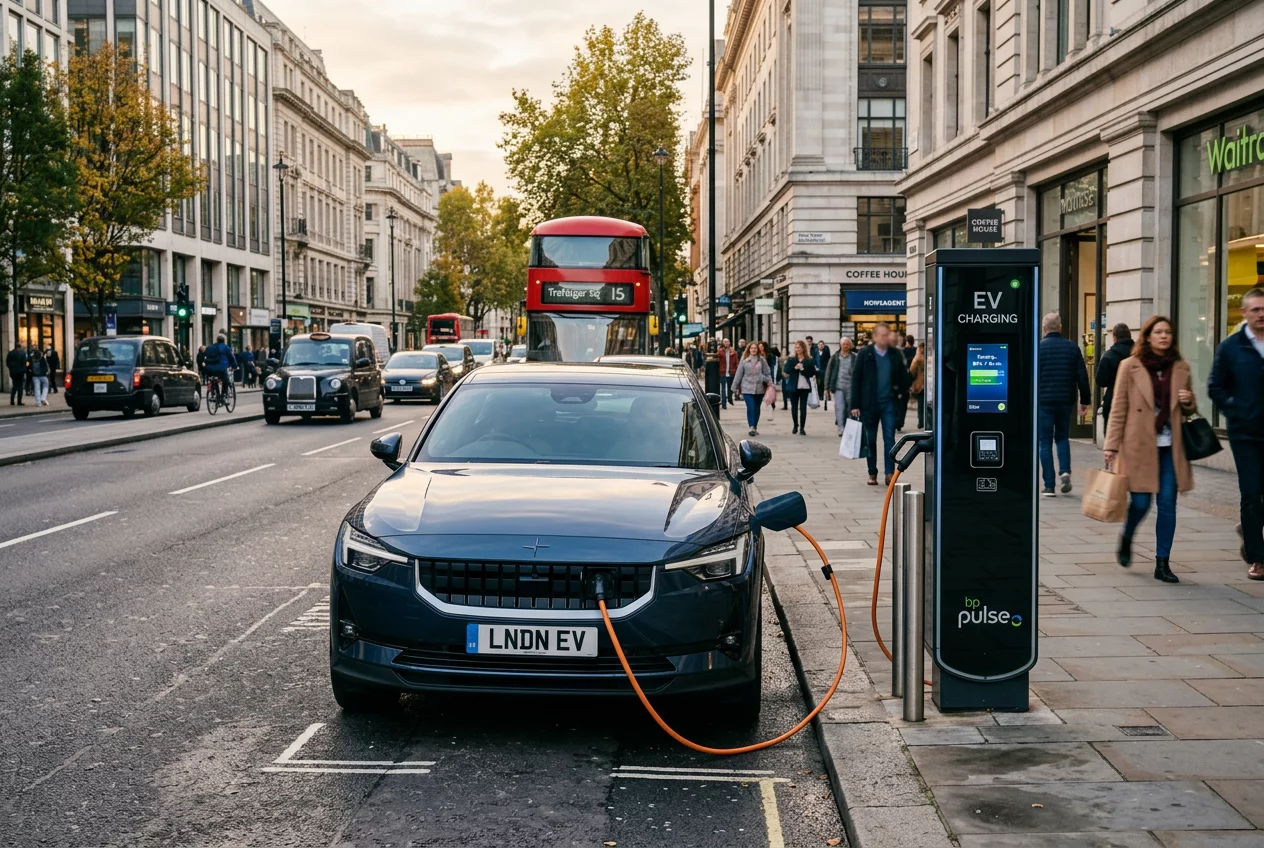
The UK automotive landscape witnessed a historic shift as the latest registration figures revealed that battery electric vehicles (BEVs) have essentially hit government targets a full year ahead of the projected timeline. In December, battery electric vehicles captured a remarkable 32.7% of all new registrations in the UK, reaching the government's 33% target share for 2026 much earlier than anticipated.
Decoding the December Surge
Data officially published in January 2026 confirms that the end-of-year performance was driven by a combination of aggressive manufacturer incentives, a flurry of new model launches, and a significant push from the corporate fleet sector. Industry analysts note that while December typically sees strong registrations, the specific tilt toward electric drivetrains suggests that the tipping point for mass adoption is closer than previously modeled.
A Significant Acceleration in Adoption
The surge isn't just a seasonal fluke. Fleets and private buyers alike are gravitating toward electric platforms with increasing confidence. The early achievement of these targets provides a strong justification for recent government initiatives and long-term infrastructure planning. Manufacturers are now prioritizing UK allocations for their most efficient electric models to meet the surging demand and comply with local regulatory frameworks.
This achievement represents a landmark moment for the British motor industry, demonstrating that consumer appetites are shifting faster than even the most optimistic policy models predicted.
Key Drivers for the Early Milestone
Several factors have converged to accelerate the UK's transition to a zero-emission future:
- ZEV Mandate Clarity: The long-term certainty provided by the Zero Emission Vehicle mandate has forced a strategic pivot across the supply chain.
- Infrastructure Expansion: The rapid rollout of high-speed chargers along major motorways has significantly mitigated range anxiety for new buyers.
- Fleet Dominance: Salary sacrifice schemes continue to be the primary engine of growth, making premium EVs affordable for a wider range of employees.
- Competitive Pricing: Increased competition among brands has led to more attractive financing options and lower entry costs for popular electric hatchbacks and SUVs.
What Lies Ahead for 2026
Reaching the 33% threshold early doesn't just look good on paper; it fundamentally changes the trajectory for the upcoming year. The market is maturing rapidly, and we are moving beyond the "early adopter" phase into mainstream acceptance. As battery technology continues to improve and the second-hand market for EVs grows, the momentum gained in 2025 is expected to carry through 2026, setting the stage for even more ambitious targets.

Impressive milestone for the UK. It really shows how consumer perception has shifted towards electric mobility in just a few short years.