
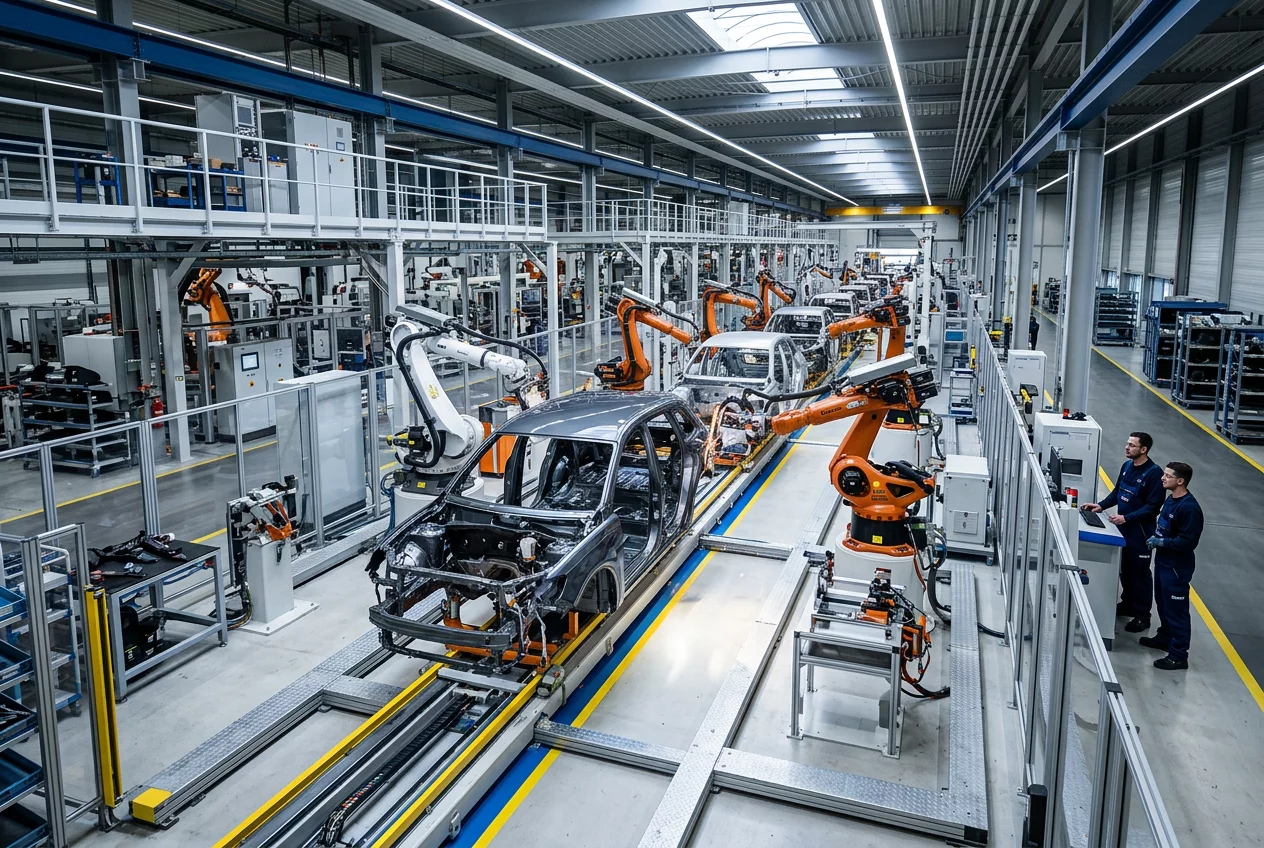
The UK automotive manufacturing landscape is poised for a significant rebound. According to the Society of Motor Manufacturers and Traders (SMMT), 2026 is projected to be a transformative year, with passenger car production returning to growth. The forecast indicates an increase of more than 10%, potentially pushing total output to approximately 790,000 vehicles, a substantial rise from the 2025 figures.
The Strategic Road to 790,000 Vehicles
This projected growth is rooted in several stabilizing factors within the UK’s industrial strategy. Following years of supply chain volatility and global logistics challenges, the domestic automotive sector has undergone a period of intense optimization. The anticipated 10% growth rate is not merely a statistical recovery but a reflection of the industry's successful pivot toward more efficient manufacturing processes and the integration of next-generation propulsion technologies.
Drivers of the 2026 Manufacturing Resurgence
- Supply Chain Normalization: The critical shortage of microchips and specialized components that hampered previous years has largely abated, allowing plants to maintain consistent production cycles.
- Electrification Investment: Major investments in UK-based gigafactories and EV-specific assembly lines are now reaching full operational maturity.
- Domestic and Export Stability: Renewed trade clarity and sustained demand for British-built premium and luxury vehicles continue to anchor the production volumes.
Technological Innovation and Market Competitiveness
To reach the 790,000-unit target, UK manufacturers are increasingly turning to advanced automation. The implementation of AI-driven quality control and robotic assembly precision is expected to drive down costs while increasing throughput. This technological edge is vital for maintaining the UK’s position as a global hub for automotive excellence, particularly in the high-margin premium segment.
Long-Term Outlook for the Sector
While the 2026 forecast is encouraging, the SMMT emphasizes that the journey is far from over. Sustainable growth will require continued collaboration between the government and the private sector, specifically concerning energy costs and workforce upskilling. If the current momentum holds, 2026 will serve as the foundation for a new era of British automotive manufacturing, characterized by cleaner energy and higher productivity.
Robert H.
Automotive FanGreat news for the local industry!